Aston Martin
A new HMI, connected car app and configurator for a full model-line refresh.
- Role
- Project (Lead) UX/UI Designer, R&D
- Dates
- 2021 to July 2023
The Challenge
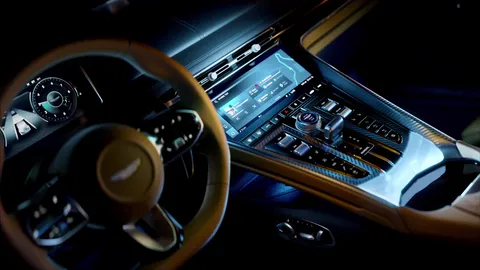
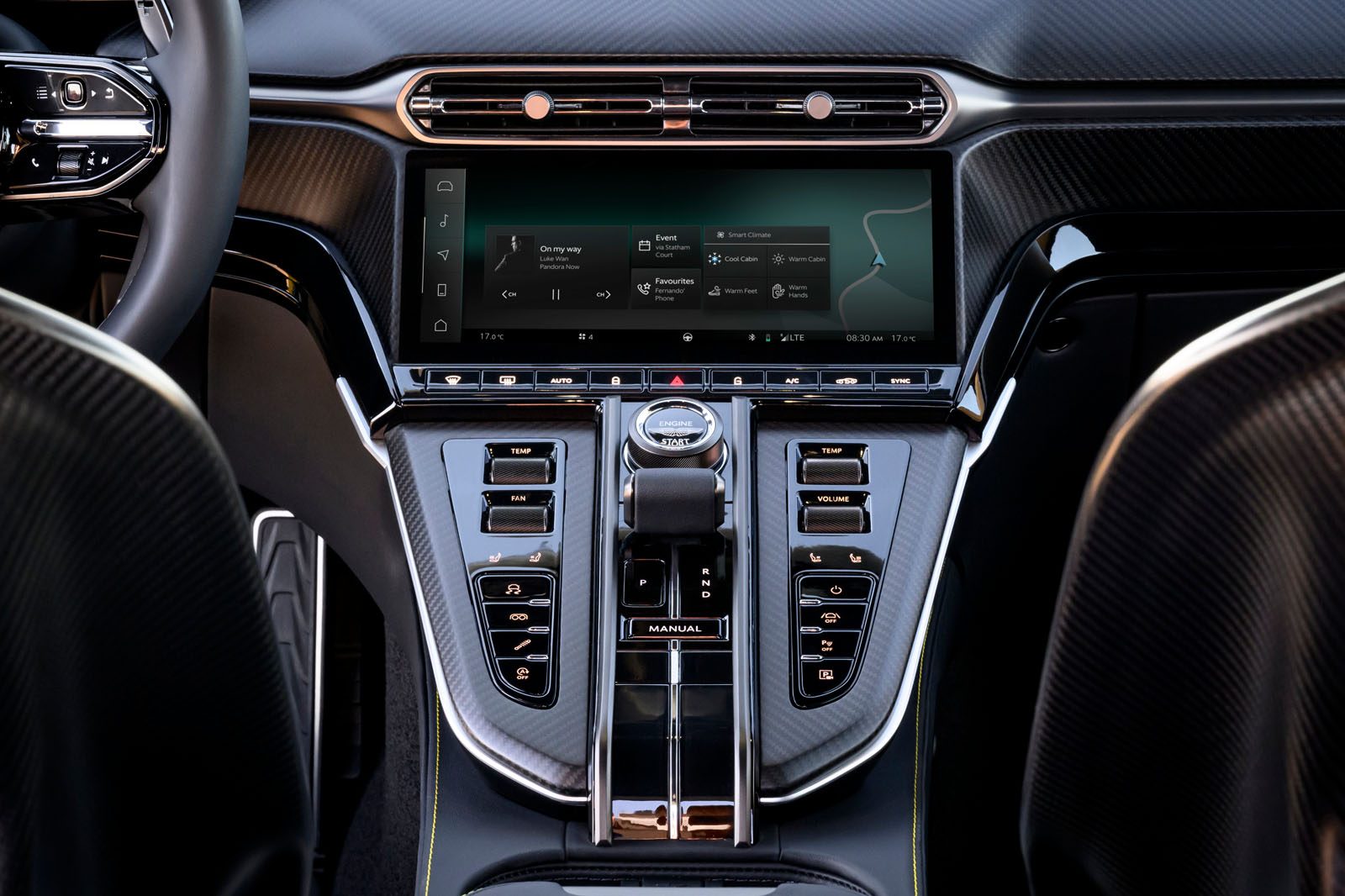
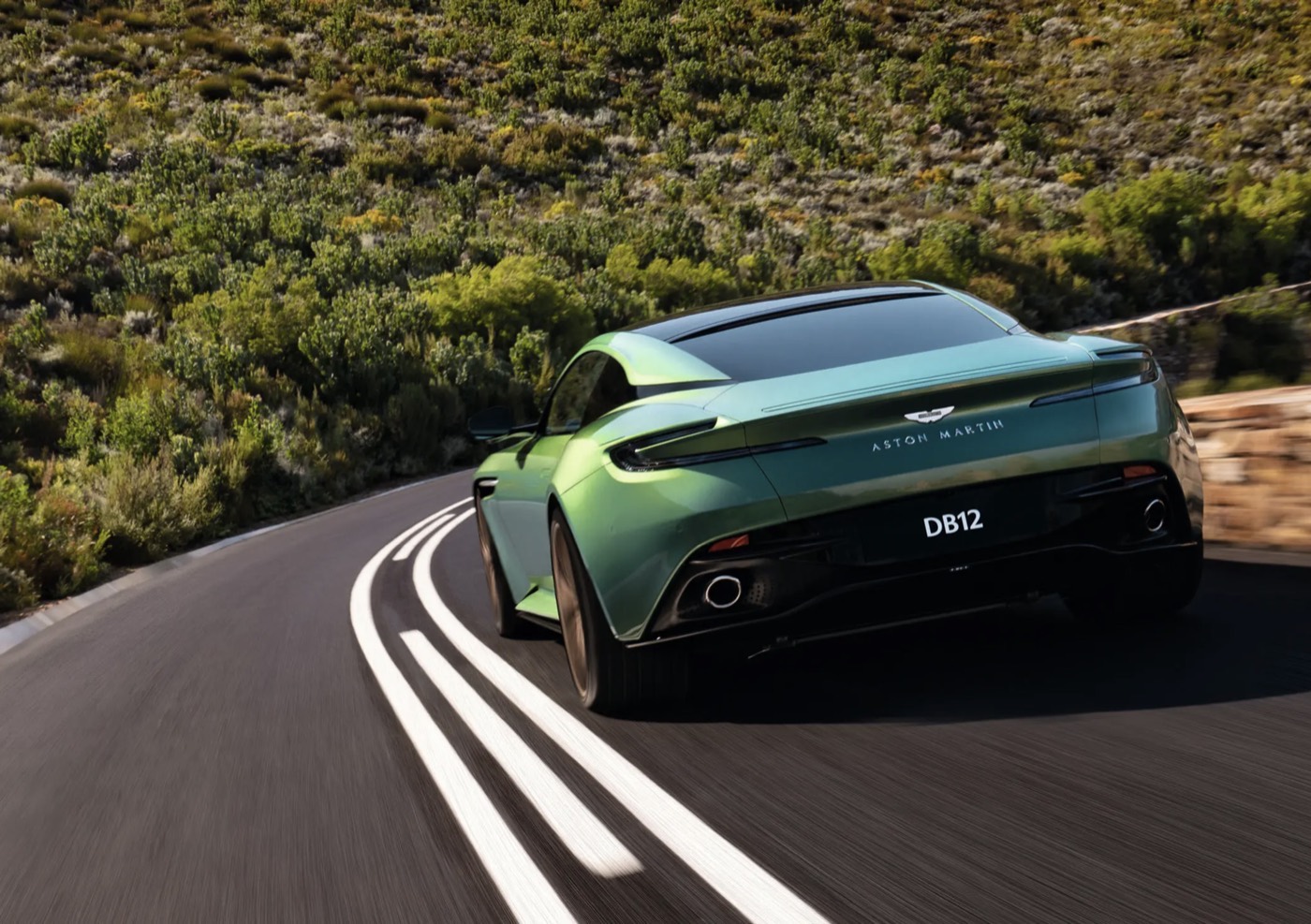
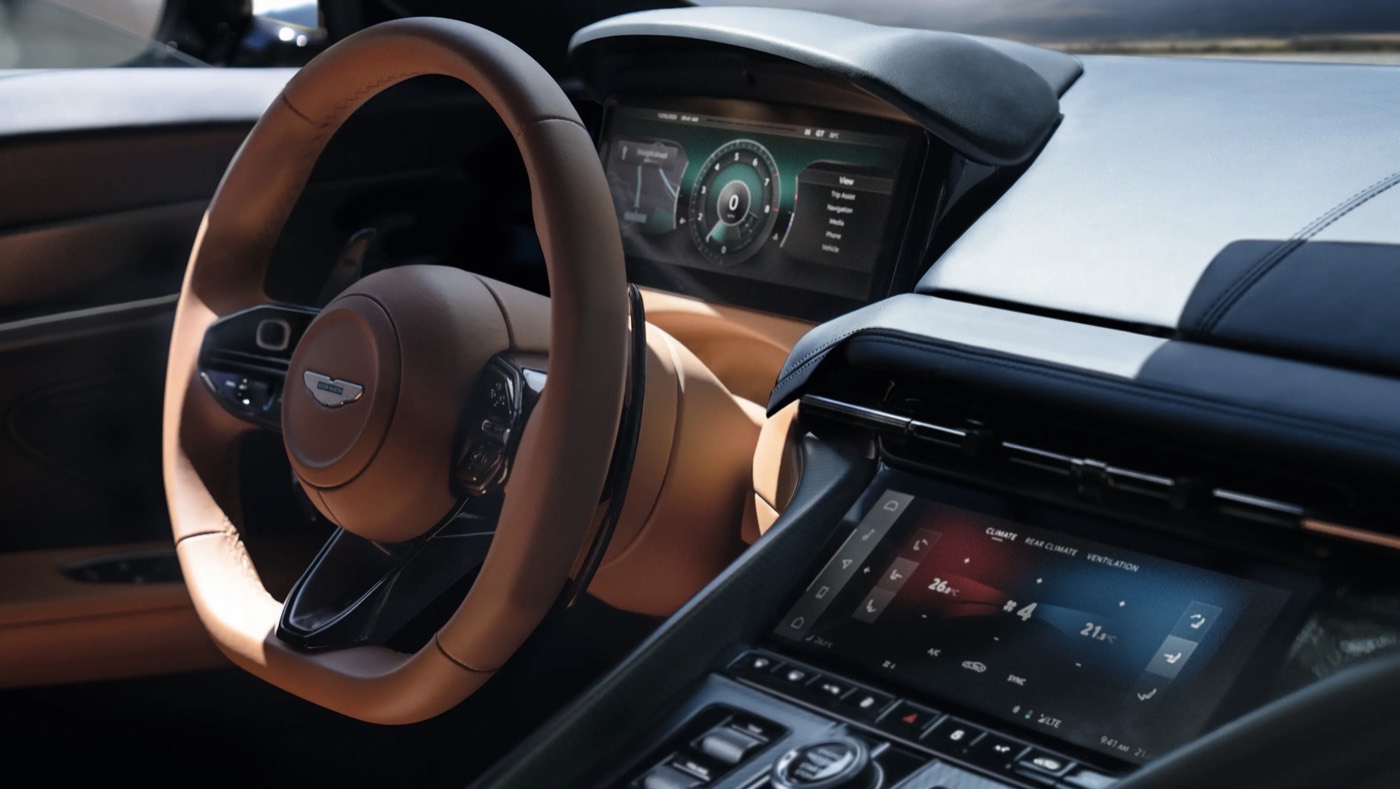
To replace Aston Martin's previous generation Mercedes-sourced infotainment with a new, connected HMI and digital experience of its own, designed from scratch across a full model-line refresh: DB12, then the new Vantage, DBX707 and Valhalla.
A bespoke HMI has no UX rulebook. An app inherits its interaction model from iOS and Android OS guidelines; a car interface doesn't. We had to define core interaction principles and how it would behave before designing a single feature. The steering wheel controls and much of the switchgear came from Mercedes, and the HMI itself was still underpinned by Mercedes technology, so we were still somewhat technically constrained. However, the Mercedes technology was only one part of the picture. Defining a vehicle architecture that met our own requirements meant integrating other components, and building a connected car infrastructure outside the Mercedes stack that still worked seamlessly with the in-car HMI to create a holistic Aston Martin digital experience.
My Role and the Team
I led the UX/UI and research team within R&D. Delivery partners included an Italian HMI supplier, two London digital agencies for the apps and wearables, and a German telematics partner for the in-car connectivity unit and back end.
The Connect Innovation Forum
I co-ran a monthly Connect Innovation Forum alongside the team's Product Owner. It brought together key directors and stakeholders from the sales and marketing, digital, product and R&D teams as well as supplier and partner representatives to align on the HMI and connectivity roadmap. Anyone who had a role to play in the project would attend, and it was our key forum for regular alignment throughout the project.
We scored every feature using a 'Weighted Shortest Job First' methodology, comparing the value to customers and the business against the time and cost to design and build, as well as factoring in technical complexity and any required enablement. High-value, low-effort features went to the front; low-value, high-effort work was deprioritised unless essential. The result was a prioritised backlog the whole business had agreed and aligned on, which fed straight into our design and delivery sprint cadence.
How We Worked
Research, design and development ran as staggered sprints. Each week we pulled features from the roadmap, researched them through moderated and unmoderated testing, iterated on the feedback, finalised the designs, walked developers through them and handed over the designs and assets to be built. Features went back through testing for further validation and refinement, technically as well as from a UX perspective once working with a test vehicle. Major milestones went to the Directors, C-suite and CEO for demonstration and sign-off before moving into production.
HMI Interaction Model & Information Architecture
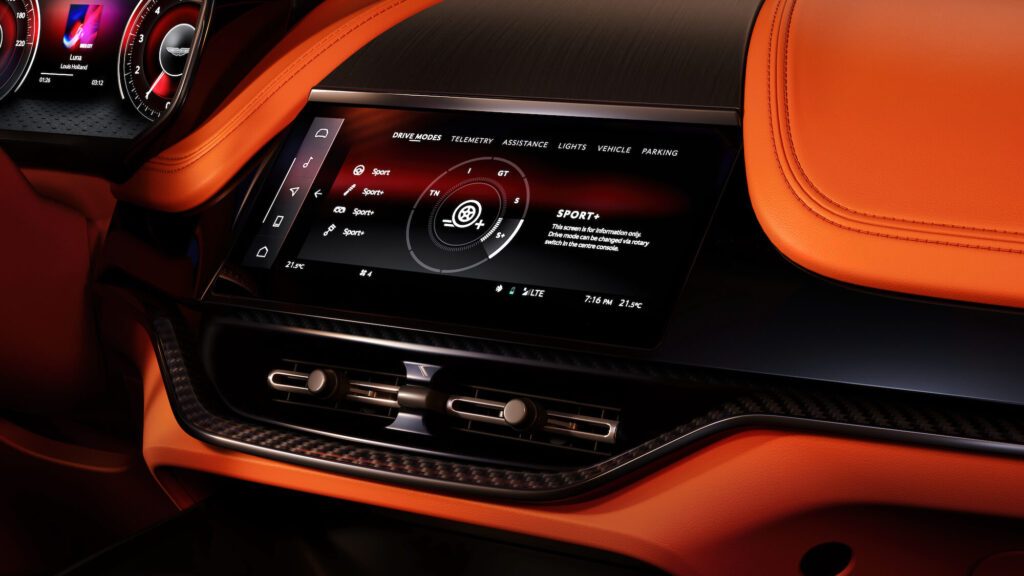
Before any feature work, we defined the interaction model and the information architecture, so every function had a clear home.
Switchgear
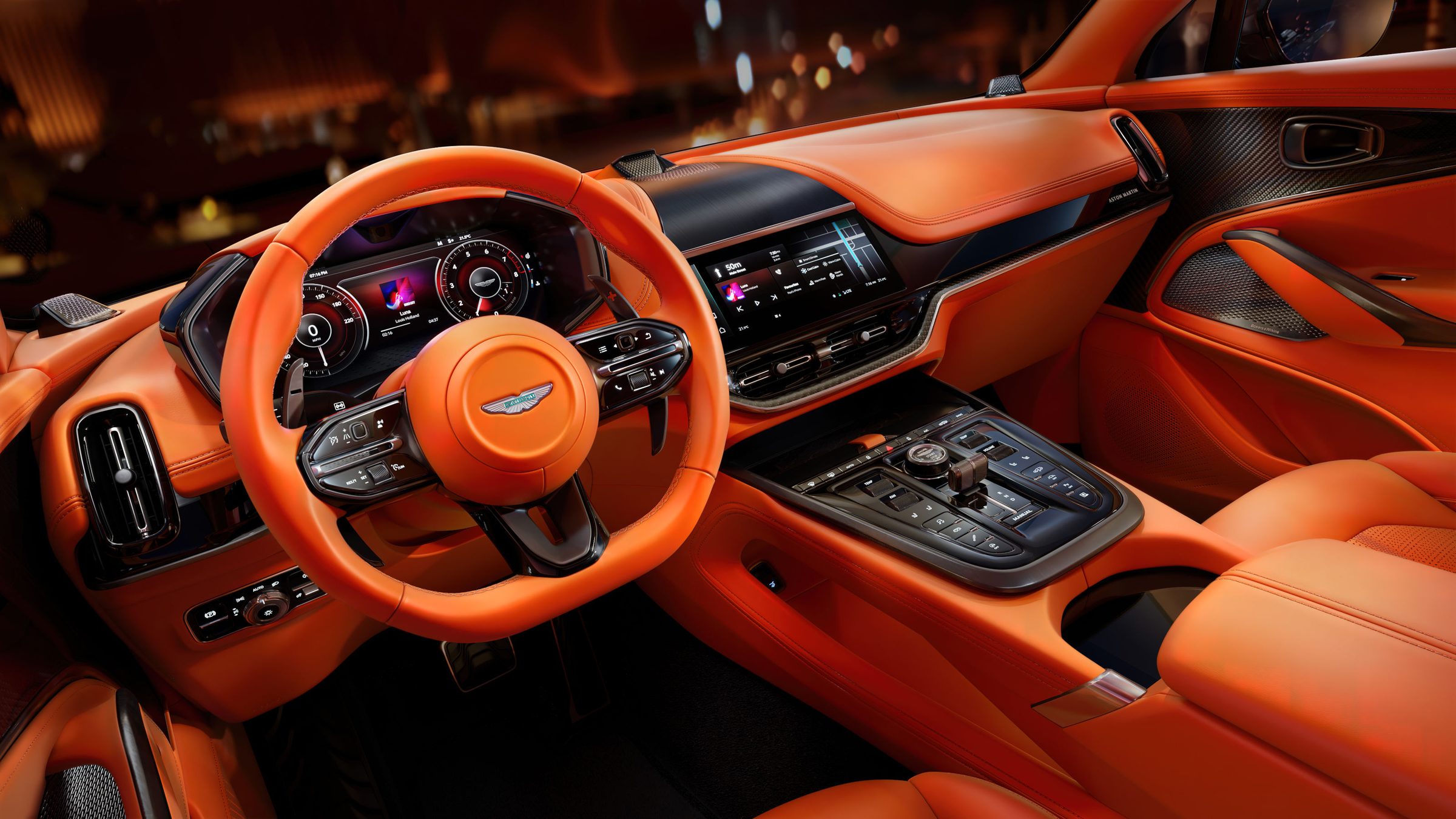
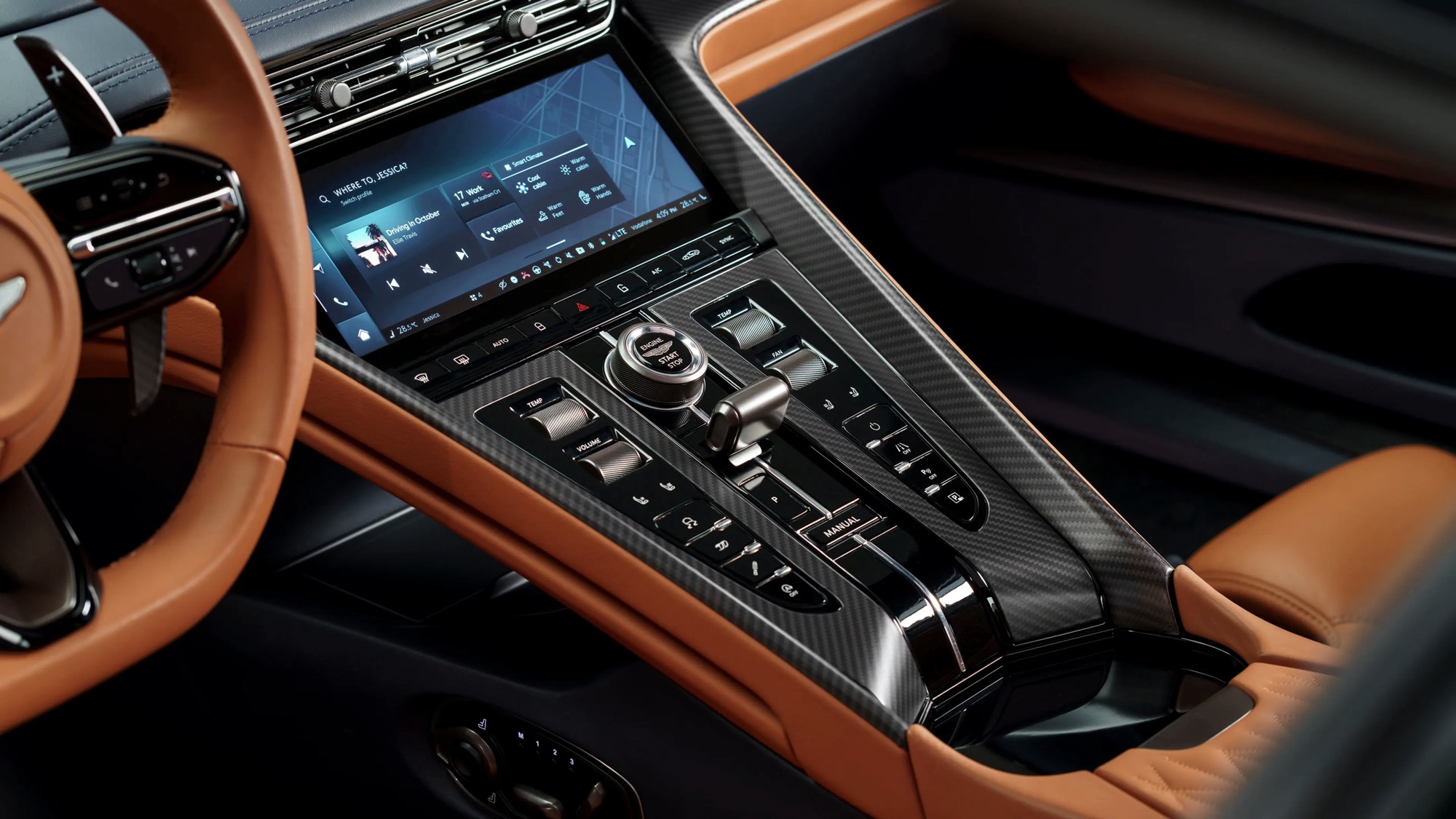
We digitally mapped where every control would live, working within the supplier's constraints and the flexibility the hardware team could give us. We expected to inherit Mercedes' logic for the steering wheel, but had more freedom than anticipated, for example in how cruise control activates and where to place the resume and cancel buttons.
Benchmarking in the Real World
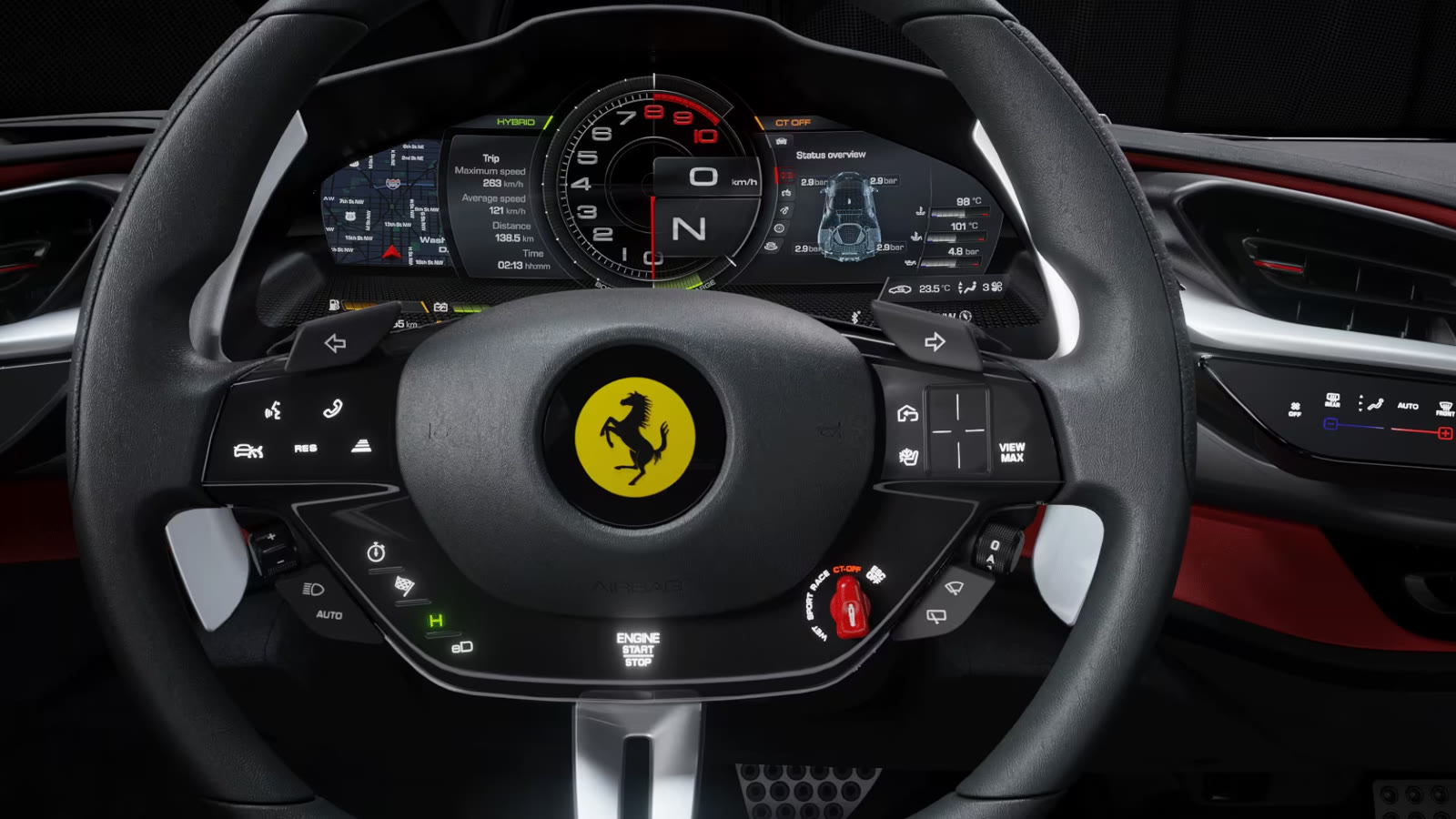
We had cars delivered to the factory and spent days living with them: the Lucid Air, Tesla Model S Plaid, Ferrari SF90, the latest Mercedes and several McLarens. The Ferrari was a turning point. Its haptic steering wheel controls looked spectacular but were hard to use while driving, which reinforced our decision to keep key controls physical. Ferrari has since publicly reversed course and brought physical buttons back.
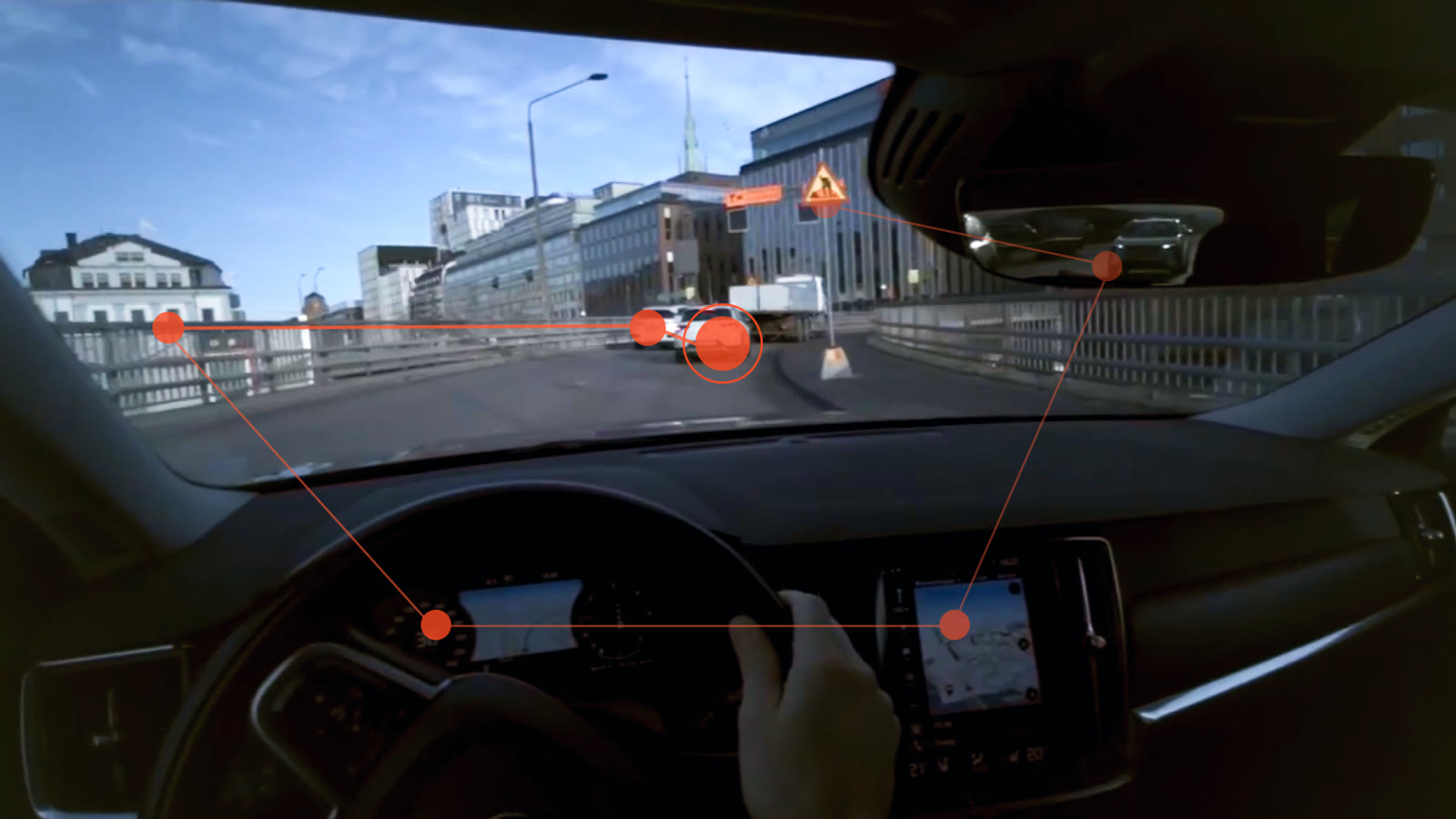
Eye Tracking Perception & Completion Tests
With the interior design team, we built a physical buck of the car to recreate real driving. Participants completed tasks like changing the navigation or the music while we tracked their eyes: where they looked, and how long each glance away from the road took. The findings shaped the interface and the hardware together, from screen tilt and ergonomics to how visible the cluster was through the steering wheel and other layout and UI elements within the infotainment.
The Connected Car App
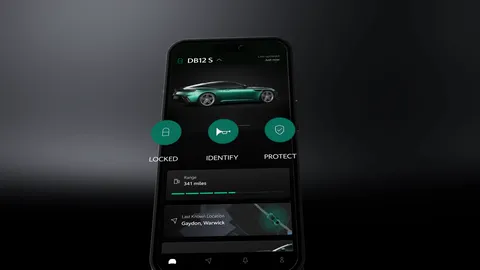
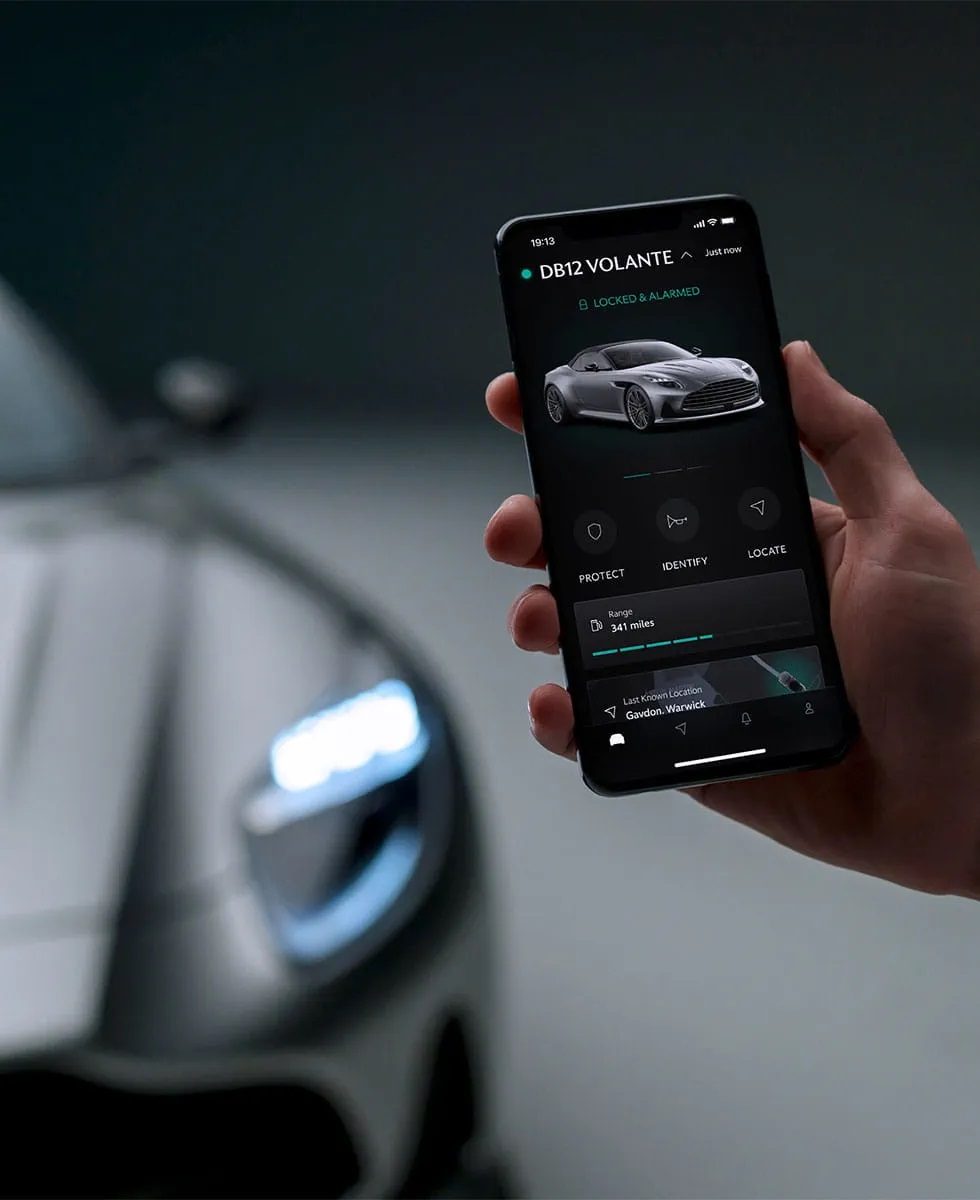
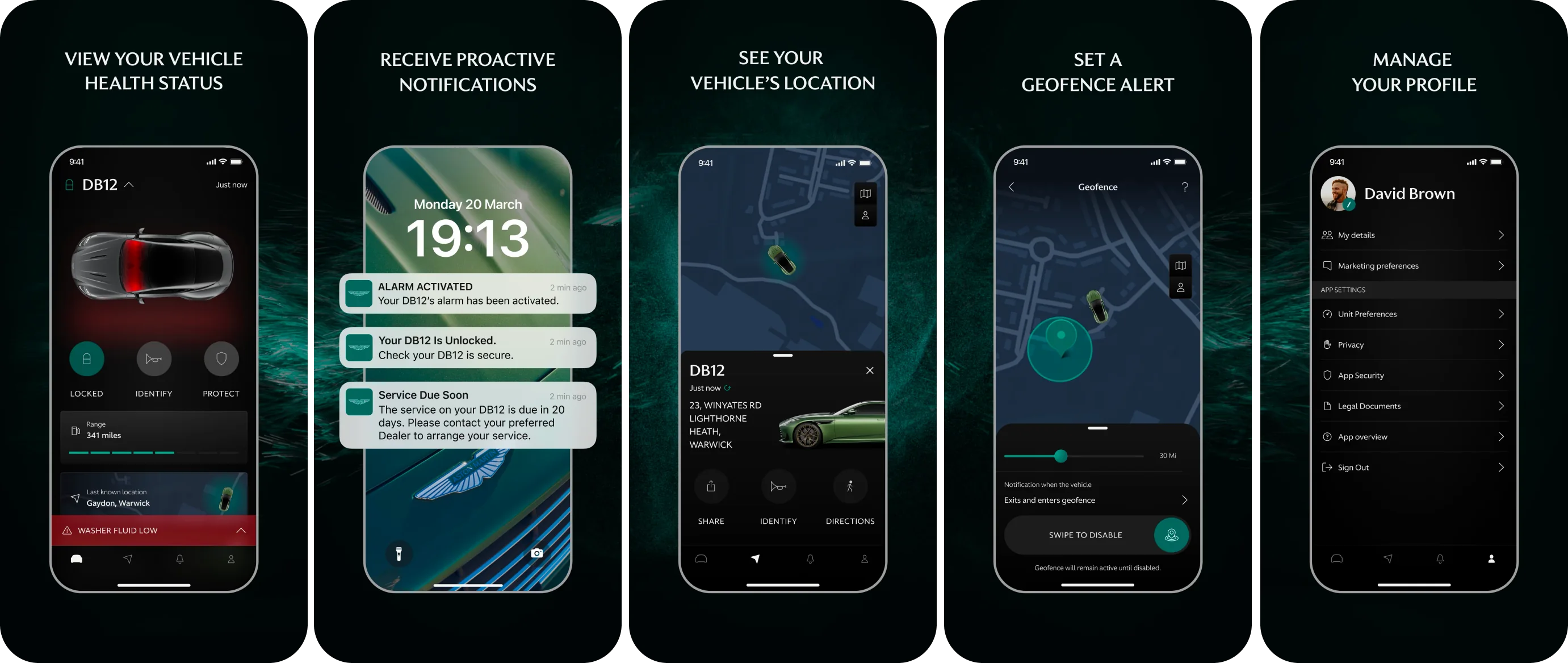
The DB12 was the first connected Aston Martin, so the app was the first time an owner could reach their car from their phone or their wrist. It had to feel like part of the car, not an add-on.
Agile, Next to a Vehicle Programme
The app ran in agile sprints. Two London digital agencies built the phone and wearable apps, and a German telematics partner delivered the connectivity unit in the car and the back end behind it. My team owned the experience across all three: features came out of the Connect Innovation Forum's prioritised backlog, we designed and tested them, then walked each partner through the designs and handed over assets from the design system.
Benchmark First, Then Validate
Remote lock and unlock, vehicle health, location and geofence alerts are expected in any premium connected car app, so we didn't start from a blank page. We benchmarked the market with Screens and SBD Automotive, alongside the competitor cars we were living with at the factory, then pointed our research at validating that our designs worked for Aston Martin owners rather than rediscovering the features.
Researching with Real Owners
We ran in-person focus groups with customers at selected US dealers, alongside online moderated and unmoderated studies. Every round came back with a confidence score and metrics, so the team and the business could see how strongly a design had tested before it moved on, and what needed another iteration.
Designing for the Time a Car Takes to Respond
One finding went beyond the interface. In testing, we simulated the real time a car takes to respond to a remote command: 10 to 20 seconds to unlock. Participants found it far too slow. That gave us the evidence to push engineering on vehicle response time, a reminder that UX is the whole experience, not just the screen.
One Experience, Everywhere
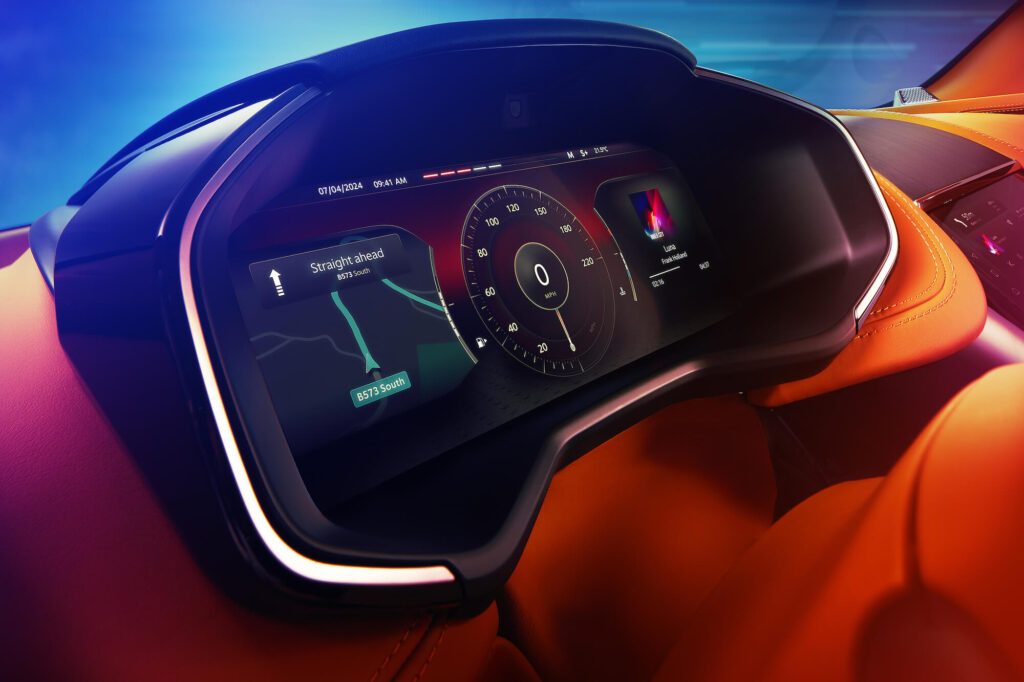
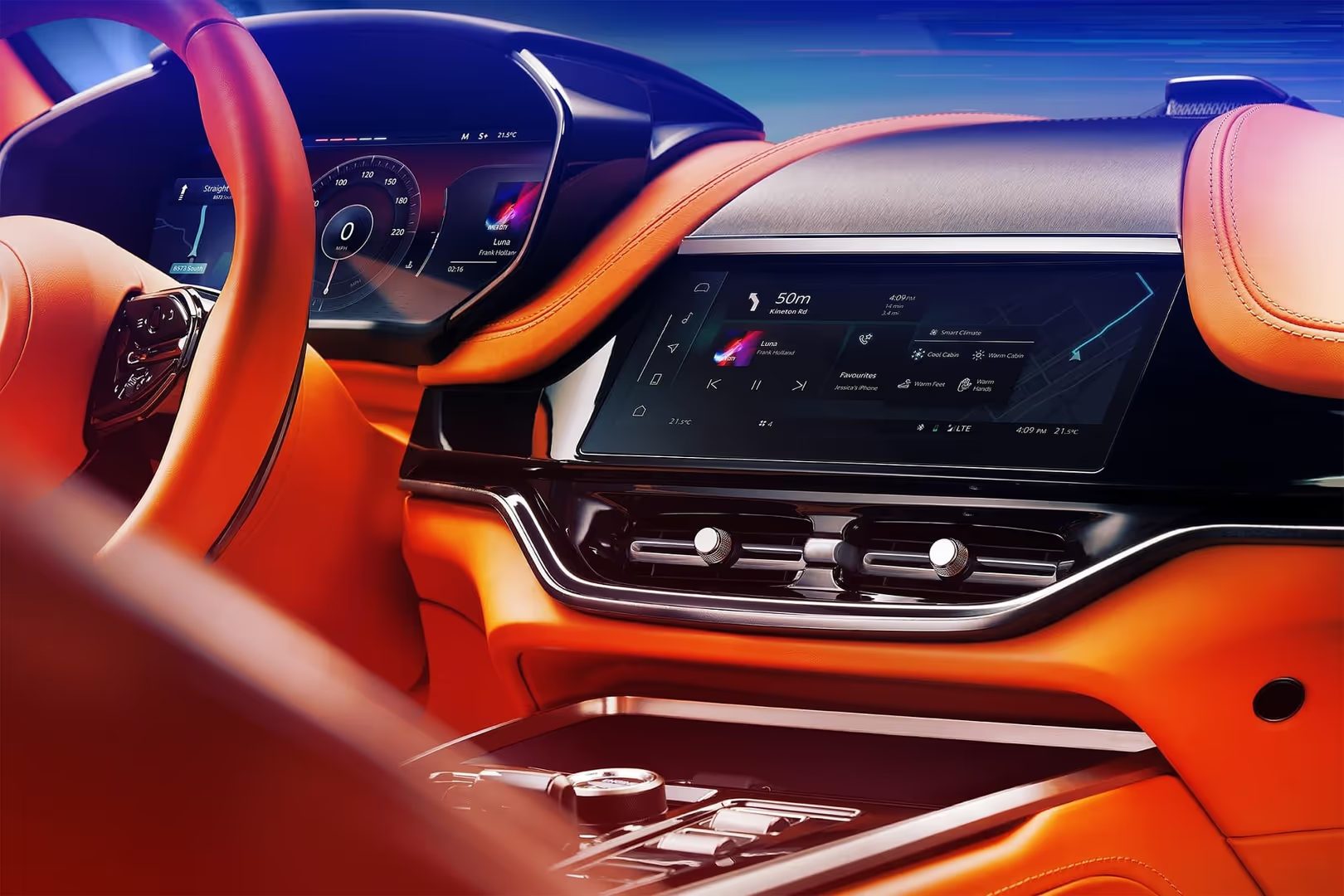
The in-car HMI, the phone app and the watch app were all built from Aston Martin's first digital design system, so the UI is aligned and consistent across all three. The same typography, iconography, components and interaction patterns carry from screen to screen, resulting in a cohesive luxury digital experience.
Parked for Months, Ready to Drive
In one of our focus groups, an owner described their Aston Martin as a special occasion car, not an everyday one. It spends long spells parked outside their home, and they wanted it to sit there like a chandelier, without coming back to a flat battery when they do decide to drive it and with no trickle charger cables trailing from it. That eventually reinforced a core power management requirement in the vehicle and prioritised a feature called Standby Mode, that lets an owner leave the car off charge for up to six months without draining the battery or needing a trickle charger.
One Profile, End to End
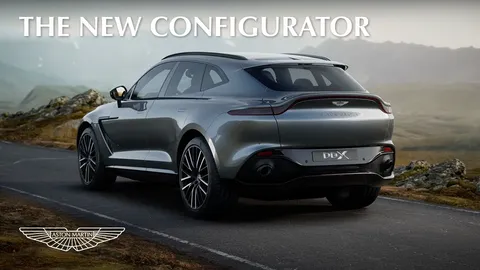
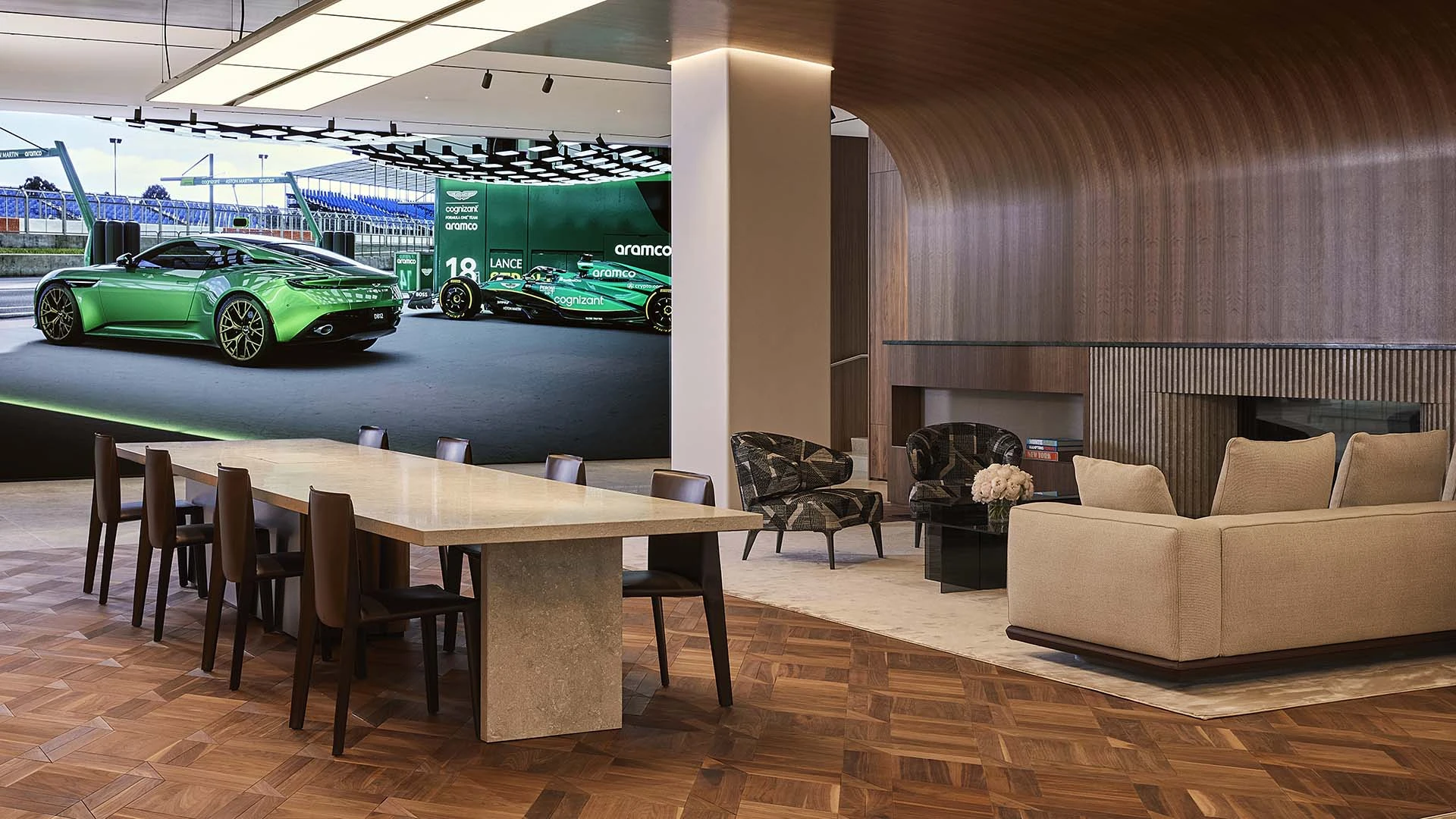
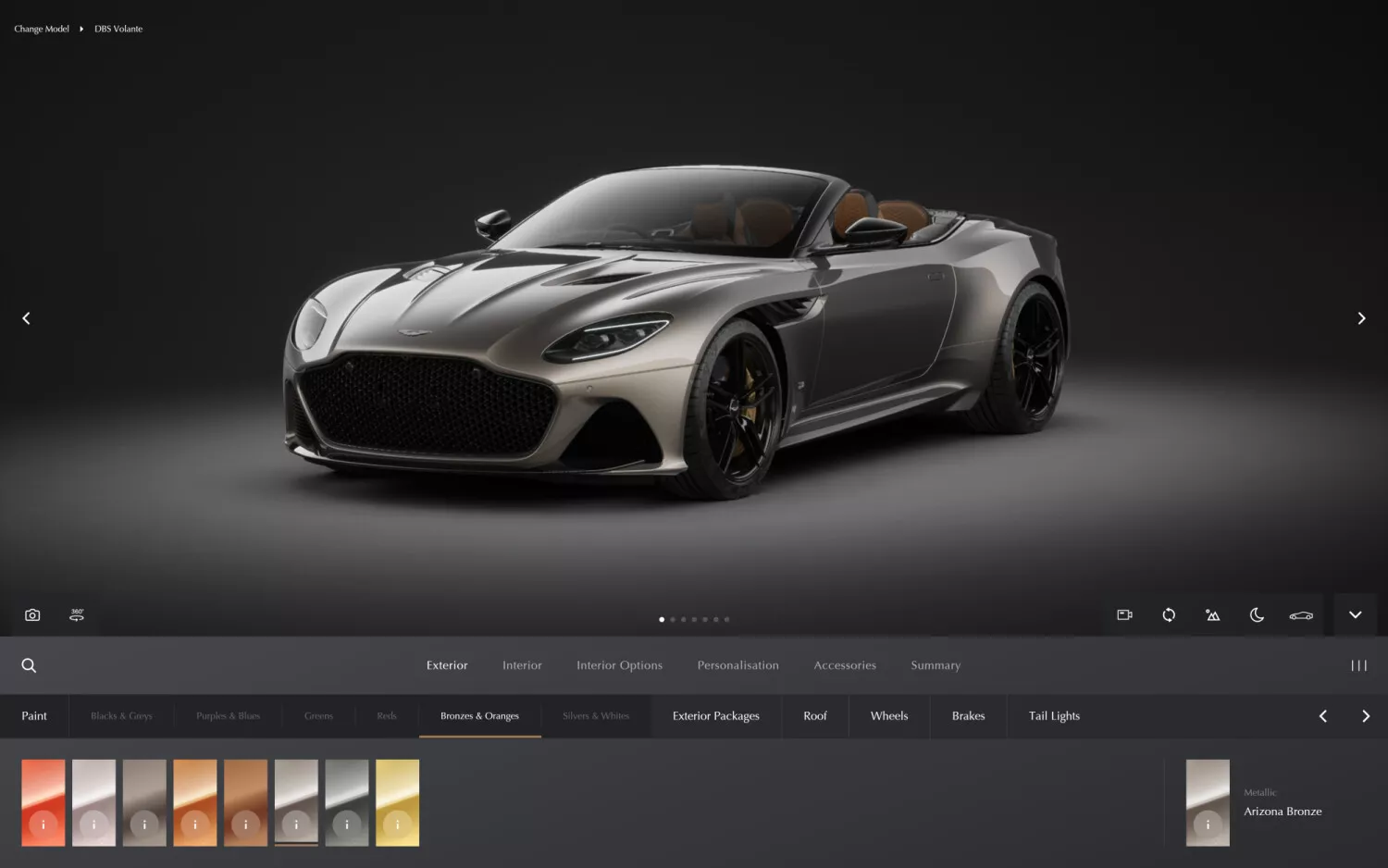
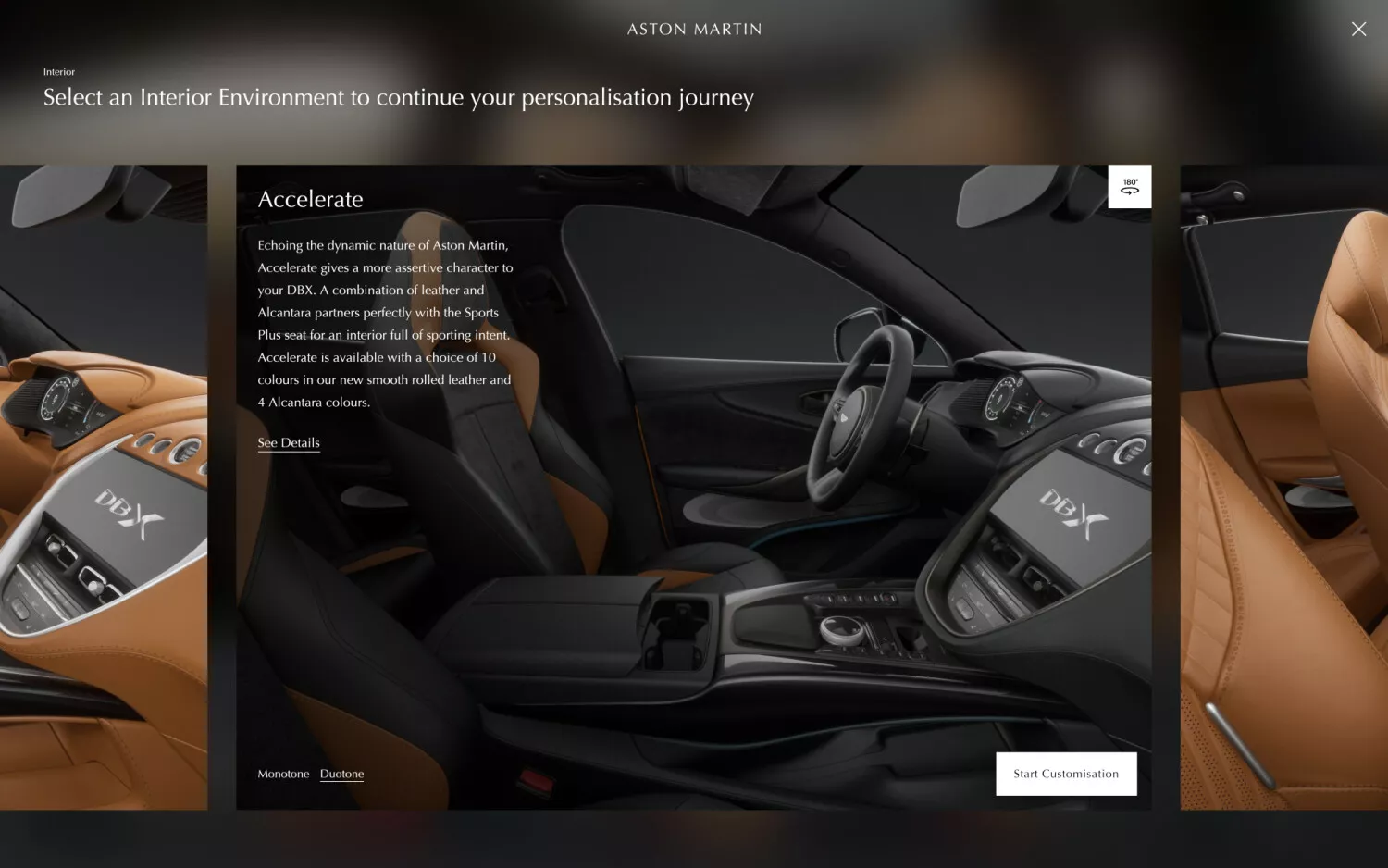
In collaboration with the digital, sales and marketing teams, I also worked on Aston Martin's new website and its industry-leading configurator, built with partner MHP. More than half of customers use the configurator during their purchase journey, and dealers use it on the 35ft screen at Q New York, the brand's Park Avenue flagship global dealership. The work went on to win:
- Configurator: 1st place for Marketing, WirtschaftsWoche Best of Consulting 2022.
- Website: Sitecore Ultimate Experience Award 2021, EMEA, built with Wunderman Thompson (now VML).
The website and configurator capture customers up front, creating their Salesforce CRM profile and Aston Martin account from the first touchpoint. Once a customer specced and ordered, and the dealer activated their account, their order details and build slot were already waiting in the app. The same account then carried through to the car's connected HMI on delivery: one ownership experience rather than separate logins across siloed systems.
Outcome
The DB12 launched as the first connected Aston Martin, running the first infotainment system Aston Martin designed in-house. Every key UX decision on every touchpoint was shaped by research and validation, from user testing and eye-tracking studies in a simulated cabin to research with owners. The system has since rolled out across the rest of the Aston Martin range and continues to be iterated and developed.
-
AutocarCredit to Aston for not putting every control on the touchscreen
-
What Car?You can find them by feel, rather than looking away from the road
-
The Gentleman's JournalA reassuring number of buttons and switches at your fingertips
-
StuffThe screen is responsive and the UI is easy to navigate
-
Top GearDeveloped in house, more responsive and with better graphics