Bentley Motors
Bentley's first UX playbook, My Bentley connectivity, and a new UX talent pipeline that's still growing.
- Role
- UX/UI Designer, Digitalisation and Innovation
- Dates
- 2018 to 2021
The Challenge
When I joined, digital at Bentley was fragmented and a transformation was underway.
The interior UI team owned the in-car graphics. Sales and marketing owned the website, configurator and The Bentley Network App. My Bentley sat between engineering and sales and marketing, treated as a marketable feature of the car rather than core technology.
At the same time, Bentley was about to build a wave of new internal digital tools. Without a shared foundation, a UX playbook and design system, every new app would add more inconsistency to the digital estate, and the existing inconsistency in the customer-facing experiences would grow as new features and functionality were added.
There was no digital talent pipeline, and UX was understood differently across the organisation.
The UX Playbook
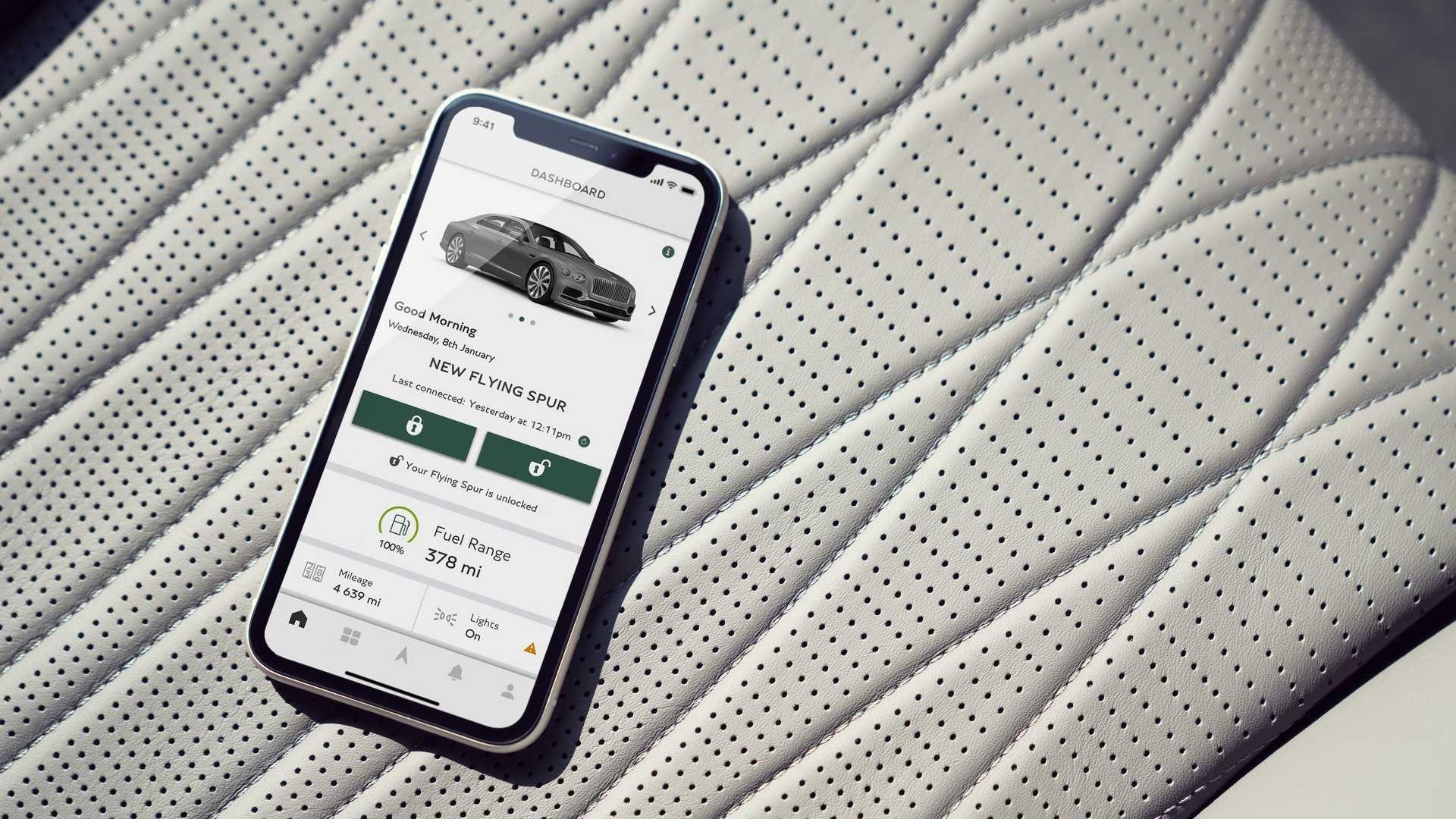
In 2019, I created Bentley's first UX playbook: a 50+ page guide to how Bentley apps should look and behave.
It covered styling, the placement of tab bars and navigation bars, how pages animate as you drill down through layers, and core components like buttons and input fields. Today you'd call it a design system with interaction guidelines.
It became the reference for every new app and feature. Sales and marketing used it for The Bentley Network App, we used it for My Bentley, the internal apps and new concepts, and we started extending it to the website.
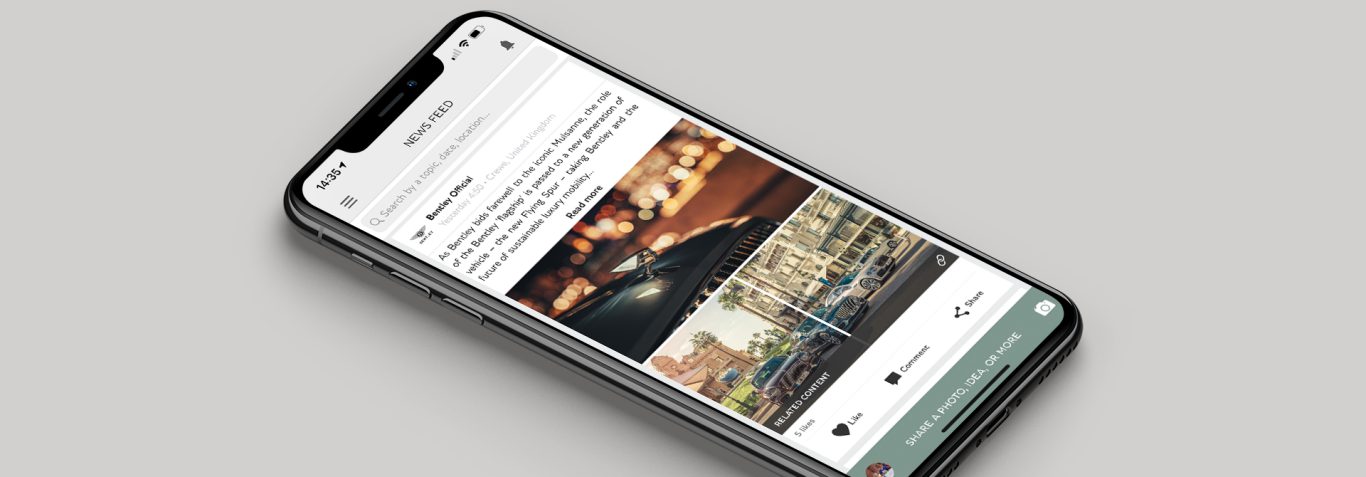
The conversations it started with engineering were more complicated, and went further. We agreed that functions in the car shouldn't each get their own app, but should live in one place, the My Bentley connected car app. There was no immediate route to reskinning the HMI of models already in production, but the playbook, and the work around it from a core product perspective, meant far more consideration of UX and UI consistency across customer touchpoints for future models.
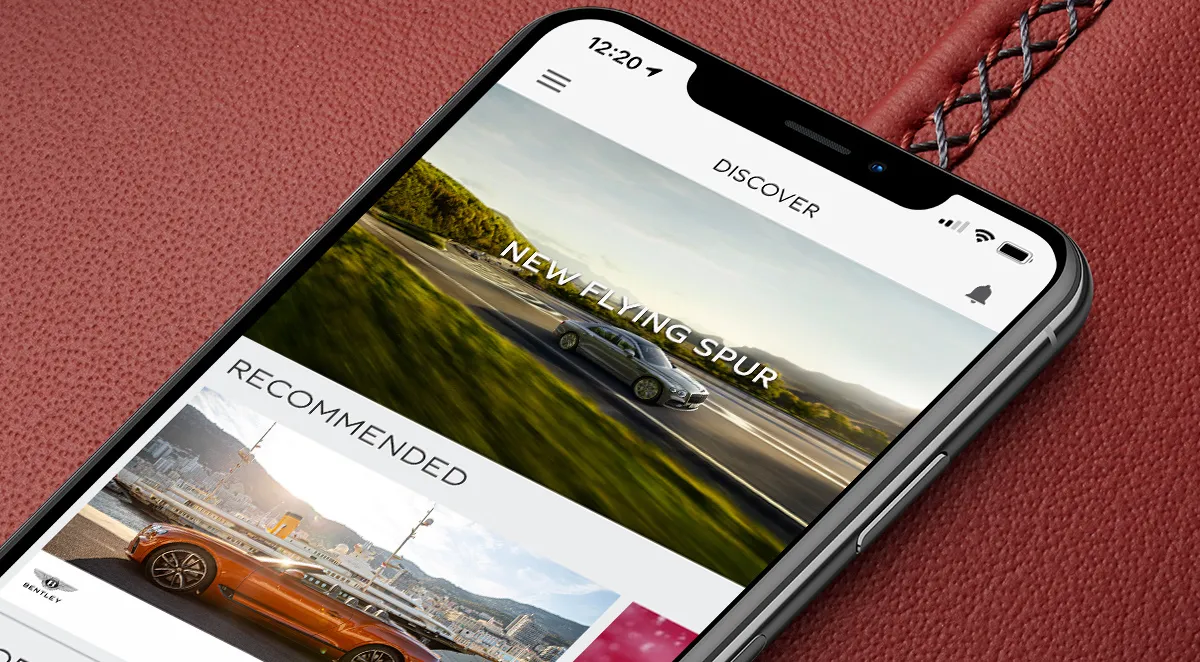
My Bentley, Built with VW Group
My Bentley was built with VW Group supplier Quartett Mobile, on the same technology as the Porsche and Audi apps.
With only a couple of dedicated developers, room for continuous improvement was tight, so we made the most of set windows working on-site in Munich at the Quartett Mobile offices.
Before each visit, we built a backlog of features with the business to take to the developers. Because the platform was shared group technology, there was constant consideration of where the experience and the enabling technology could align with Porsche and Audi, and the Quartett Mobile team were the experts in what was possible. On-site, we tested features on their in-car rigs, often with Bentley engineers in the room or on a call.
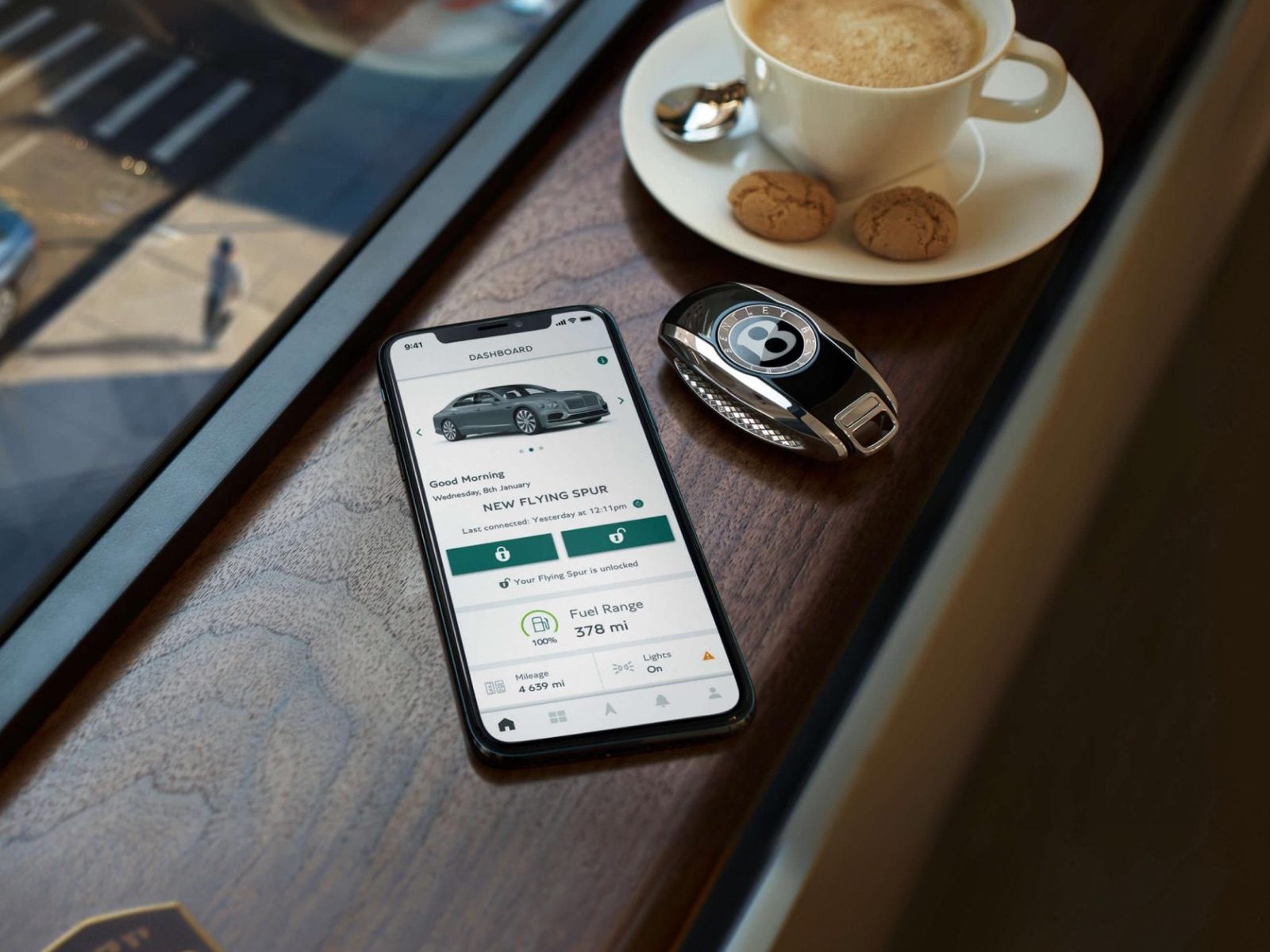
The Innovation Management Process: S.A.I.T.
Our Digitalisation and Innovation team didn't own products. Our job was to find what could move Bentley forward and get it running in the department that would own it.
- Scout: look for new technologies and ideas inside Bentley, across VW Group and externally.
- Analyse: test the value with tools like the value proposition canvas, make sure a business model sat behind it, then build prototypes and proofs of concept, test, gather feedback, iterate and refine.
- Implement: if the project was approved to proceed, work with the owning department, such as sales and marketing or engineering, to get it live and into production.
- Transfer: once it proved its value, hand it over to business as usual and move on to the next opportunity.
One example was proposing a new live map provider for the HMI and the app: Mapbox. Mapbox let us strip out the clutter of a standard map provider such as Google, and surface what mattered most to a Bentley driver: a more personal, curated map.
Growing UX Talent
I helped build a new digital talent pipeline, recruiting and mentoring 18 digital apprentices on general digital and data pathways.
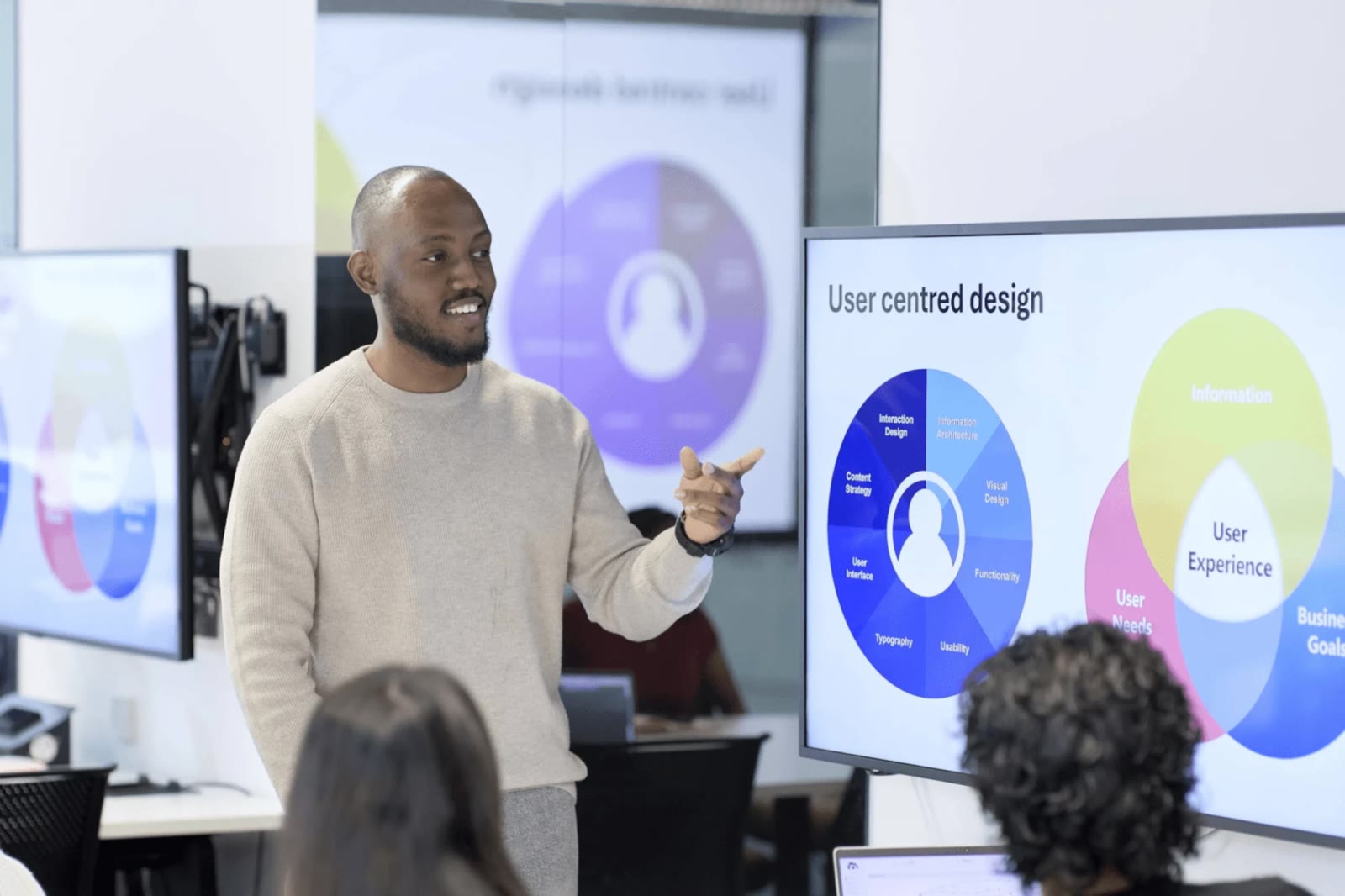
When Manchester Metropolitan University set out to create a UX degree apprenticeship, they wanted the curriculum shaped by real employers rather than written in isolation. I represented Bentley in a series of workshops in Manchester, alongside employers such as the BBC. The result was the UK's first Digital UX degree apprenticeship: a four-year BSc (Hons) and Level 6 apprenticeship. Bentley's apprentices now follow that UX pathway.
Internal Apps
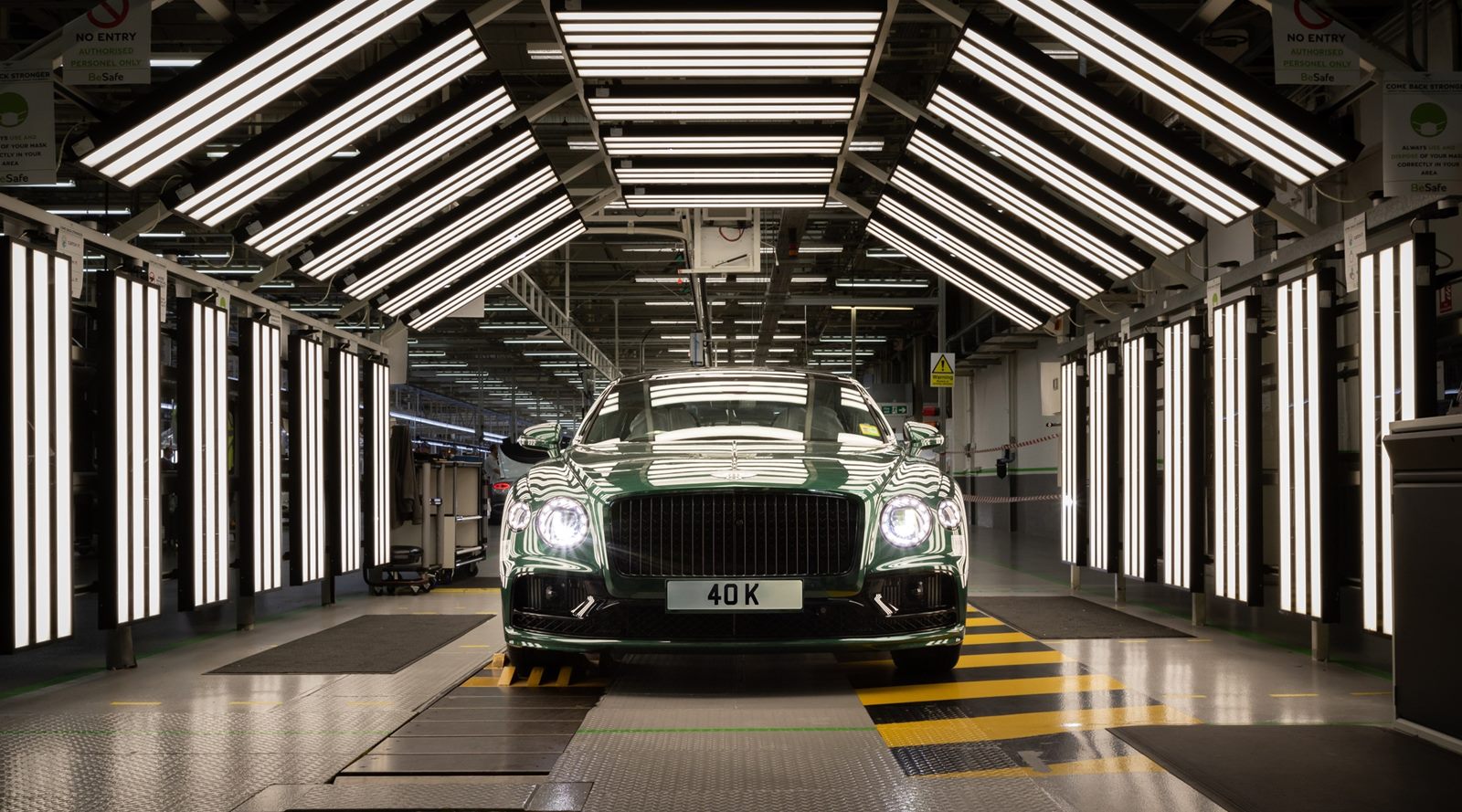
Whilst at Bentley, I helped to design and deliver a number of internal apps for enterprise use cases across the business. Among them were a library for Bentley's concept projects (ADVs), and an app for scanning missing parts on the production line, so replacement parts reached the line as quickly as possible and the line didn't have to stop. Our new cohort of apprentices developed these apps, so as well as giving the business real value, these projects let the apprentices build their skills on real business use cases.
Outcome
Before the playbook, every team designed in its own way. After it, sales and marketing, engineering and our own team were working from one reference, and UX became part of the conversation about future models, not just apps. The apprenticeship work outlasted my time there: Bentley still hires apprentices onto the UX pathway we helped create, and they're progressing through the business today.